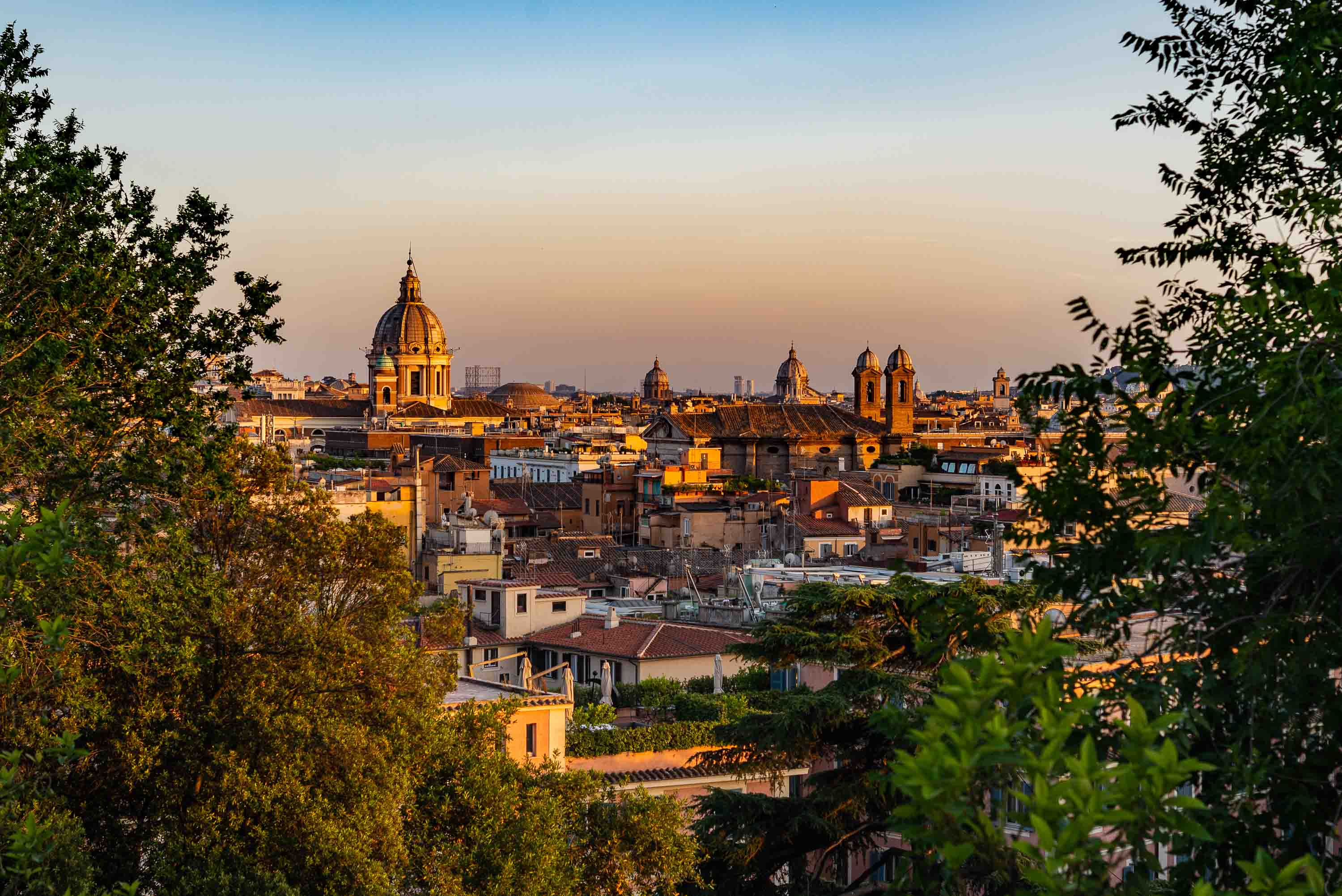
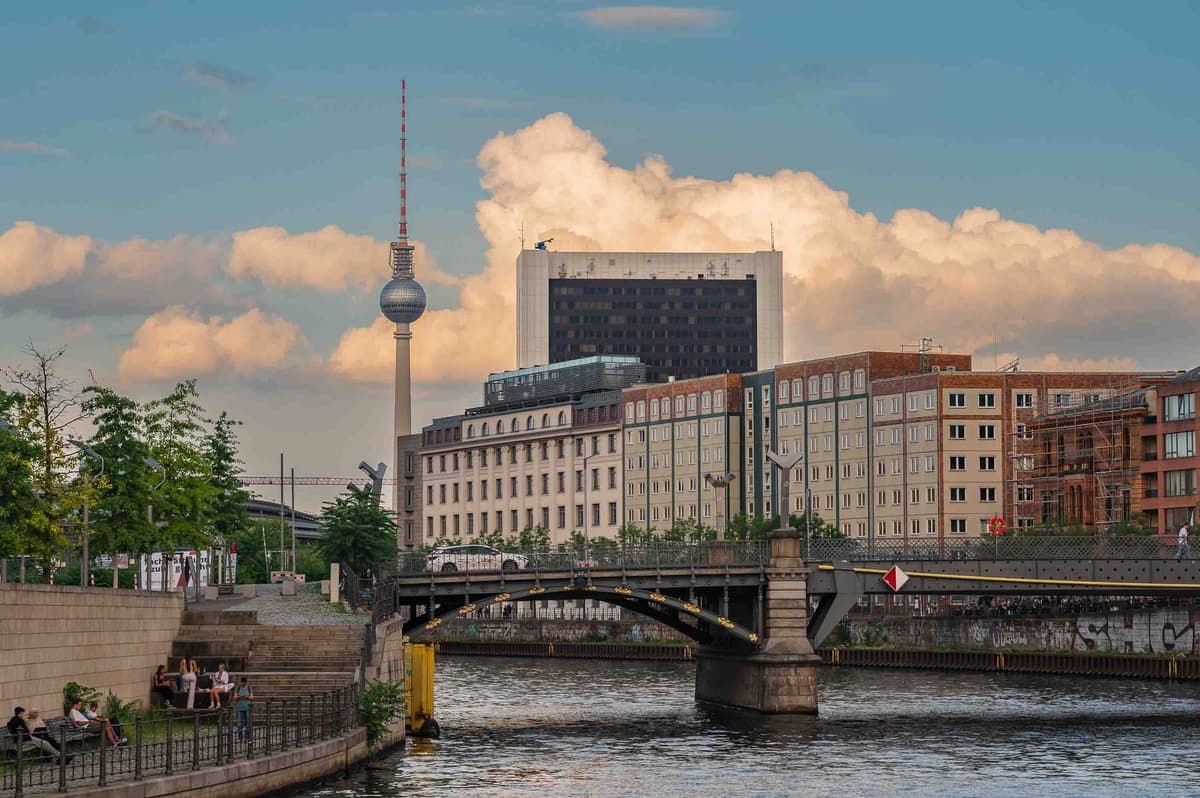
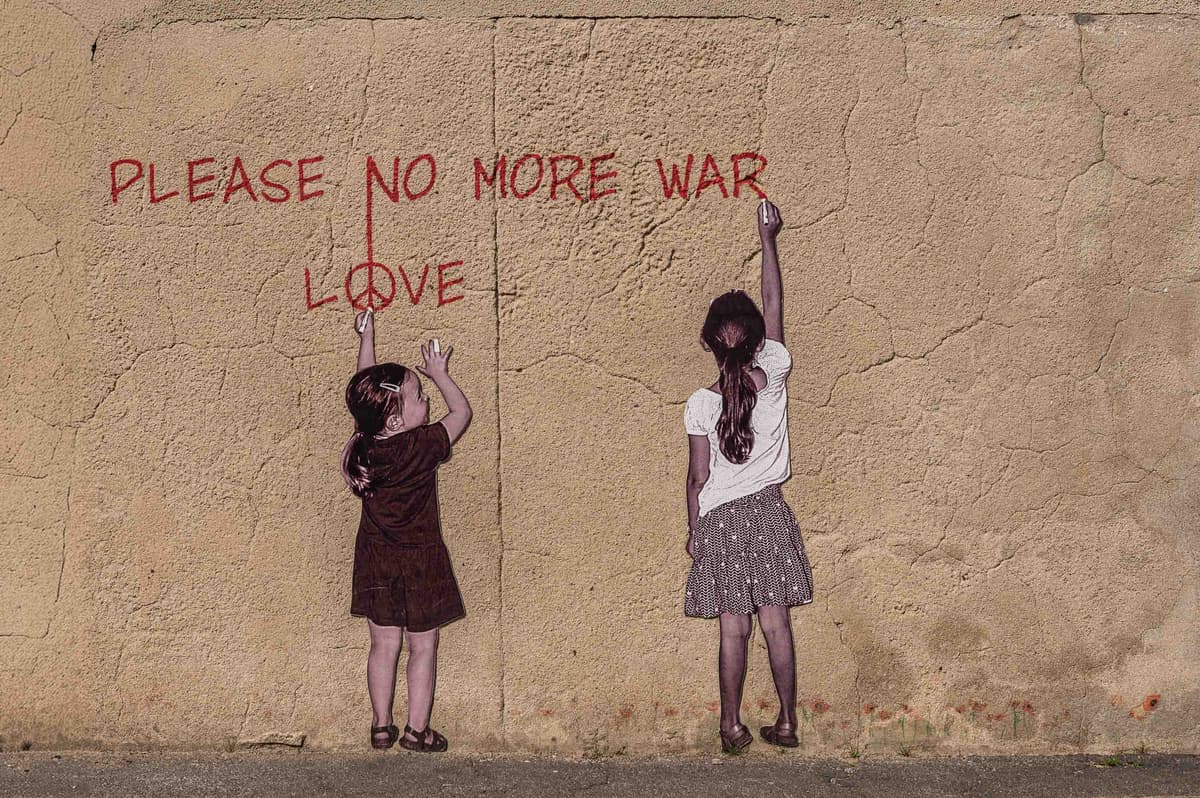
There are cities that, the moment you visit them, let you know they were once capitals of great empires. That's the case with Paris, London, Venice, or ancient Constantinople, today's Istanbul. With them, it's enough to start walking their streets to admire their present beauty and uncover their past glories.
But I have to confess that every time I return to Rome, the feeling it stirs in me is different. Ever since that first time I found myself walking, almost without realizing it, straight into the Roman Forum, I've always been certain I'm in the presence of a city that is much more than an ancient metropolis.
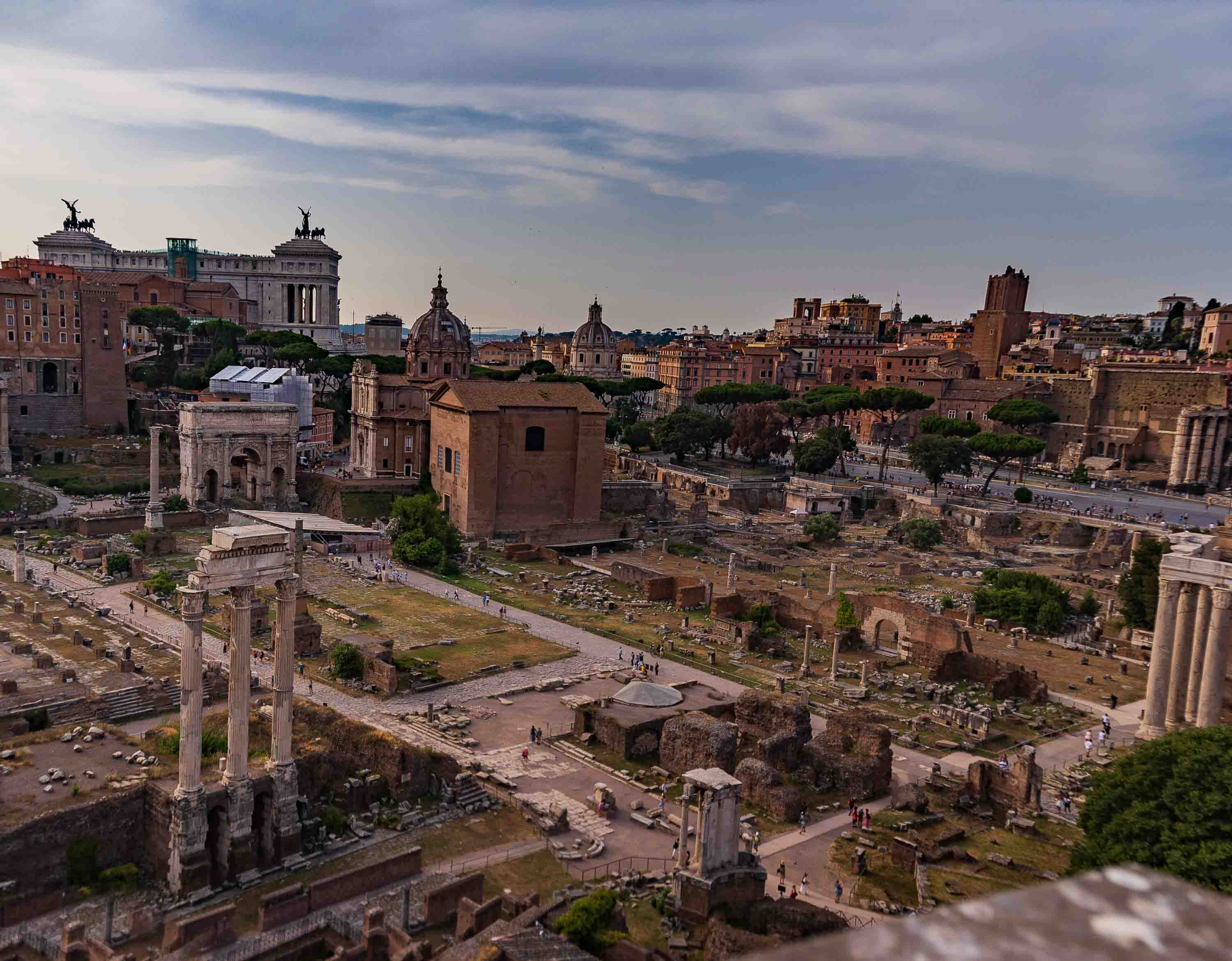
To me, Rome is something like a starting point — the place from which the world as we know it today first began, radiating outward like a giant big bang of civilization toward every corner of the earth. But this thrilling city can also be seen as a place to return to, so that our Western civilization might one day produce a new cultural and humanistic Renaissance.
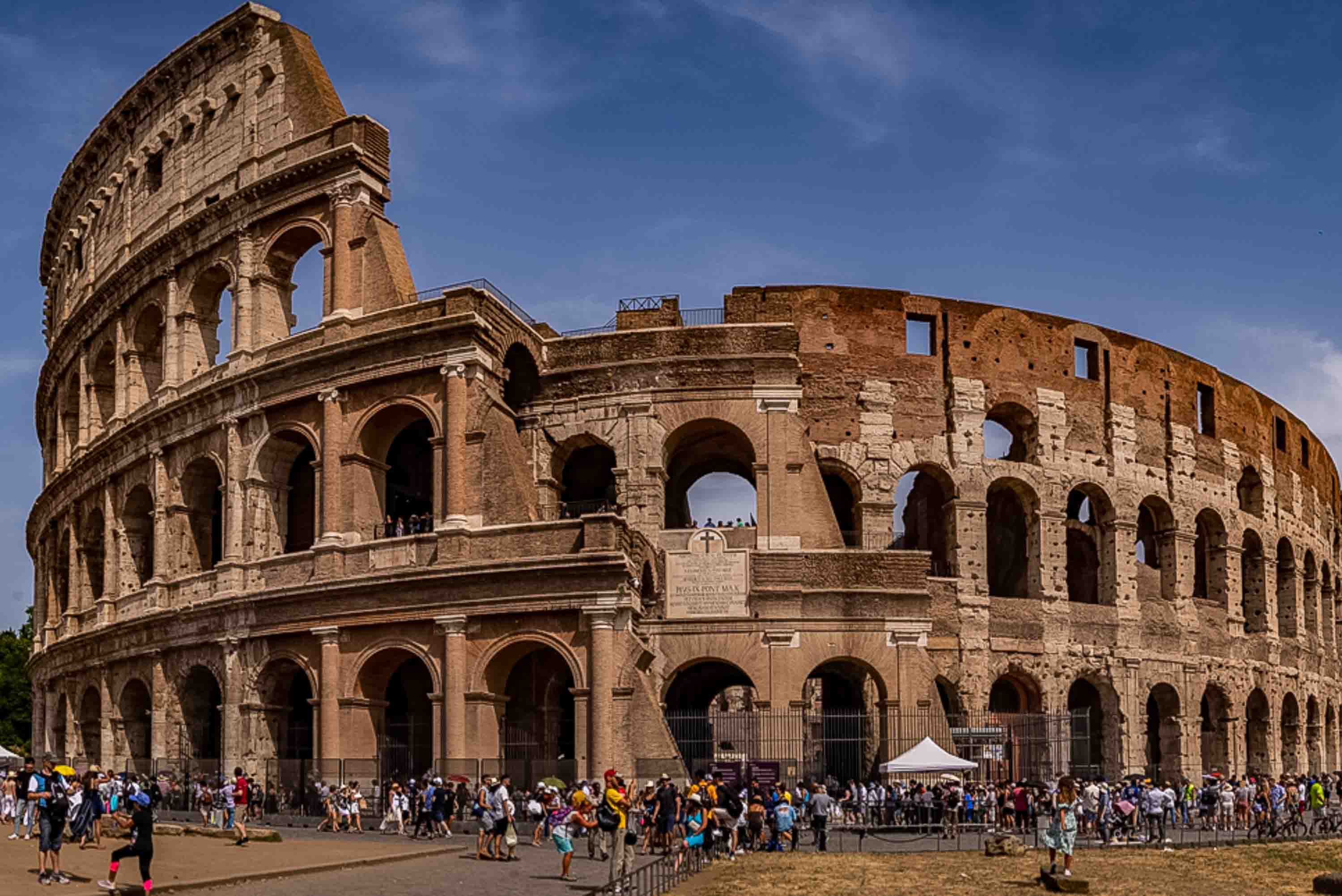
With the power of a lighthouse, every stone, every statue, every ruined monument speaks to us of myths, legends, figures, forgotten rites, or institutions that have shaped us as a society throughout the ages.
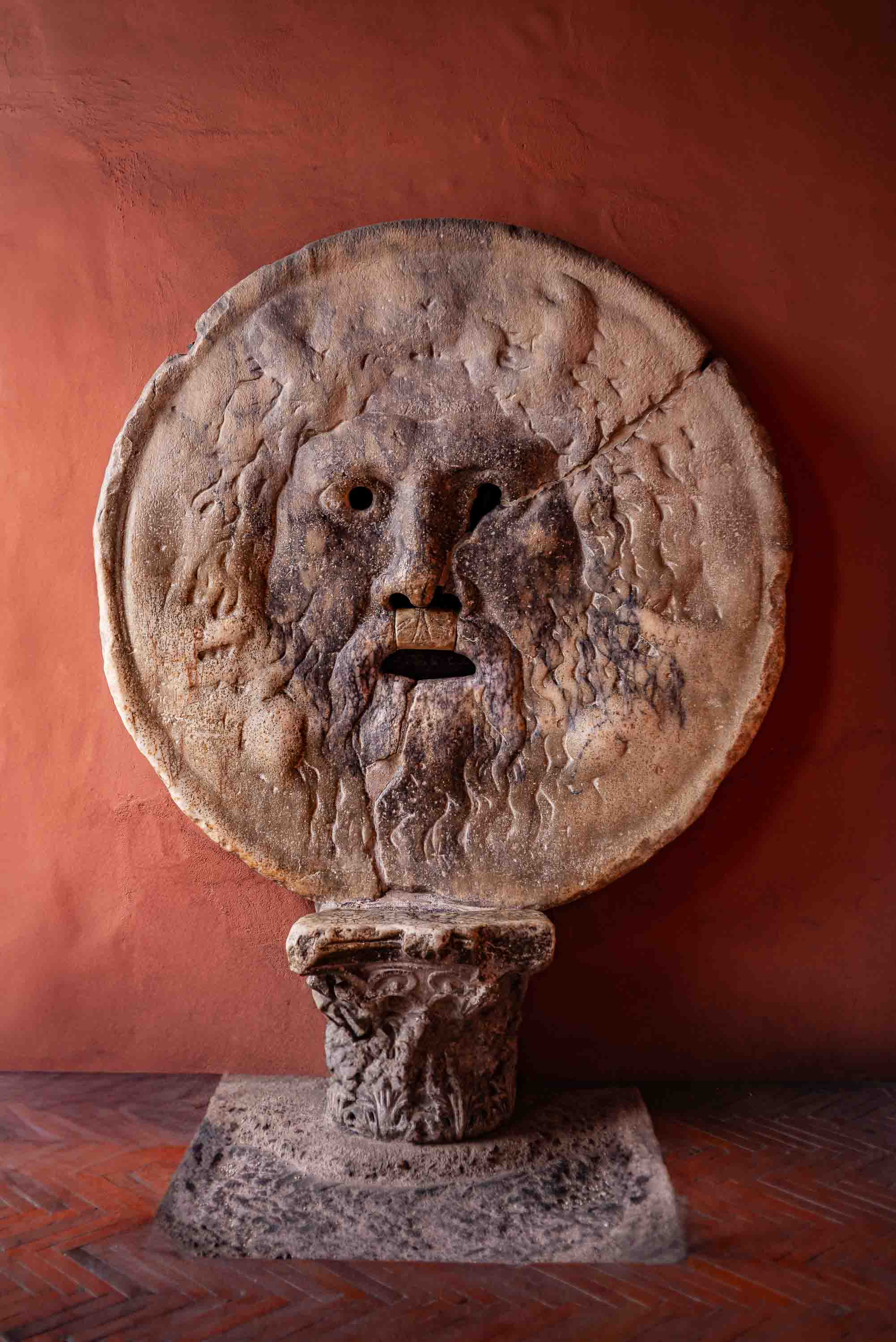
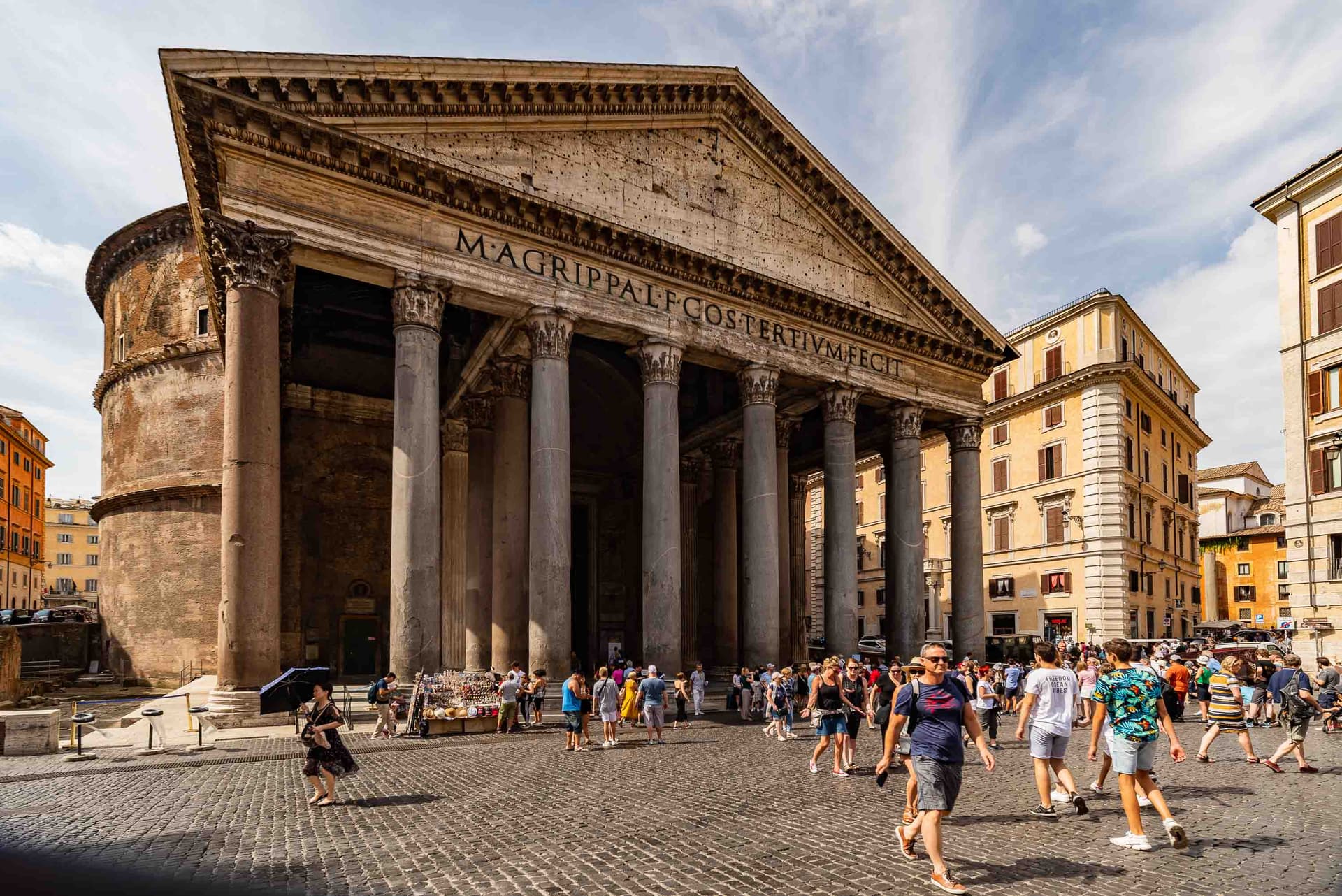
That's why the aptly named Eternal City can never truly be known in full — rather, it must be discovered little by little, and it's precisely in that search that, before admiring it, we must contemplate it with wide open eyes.
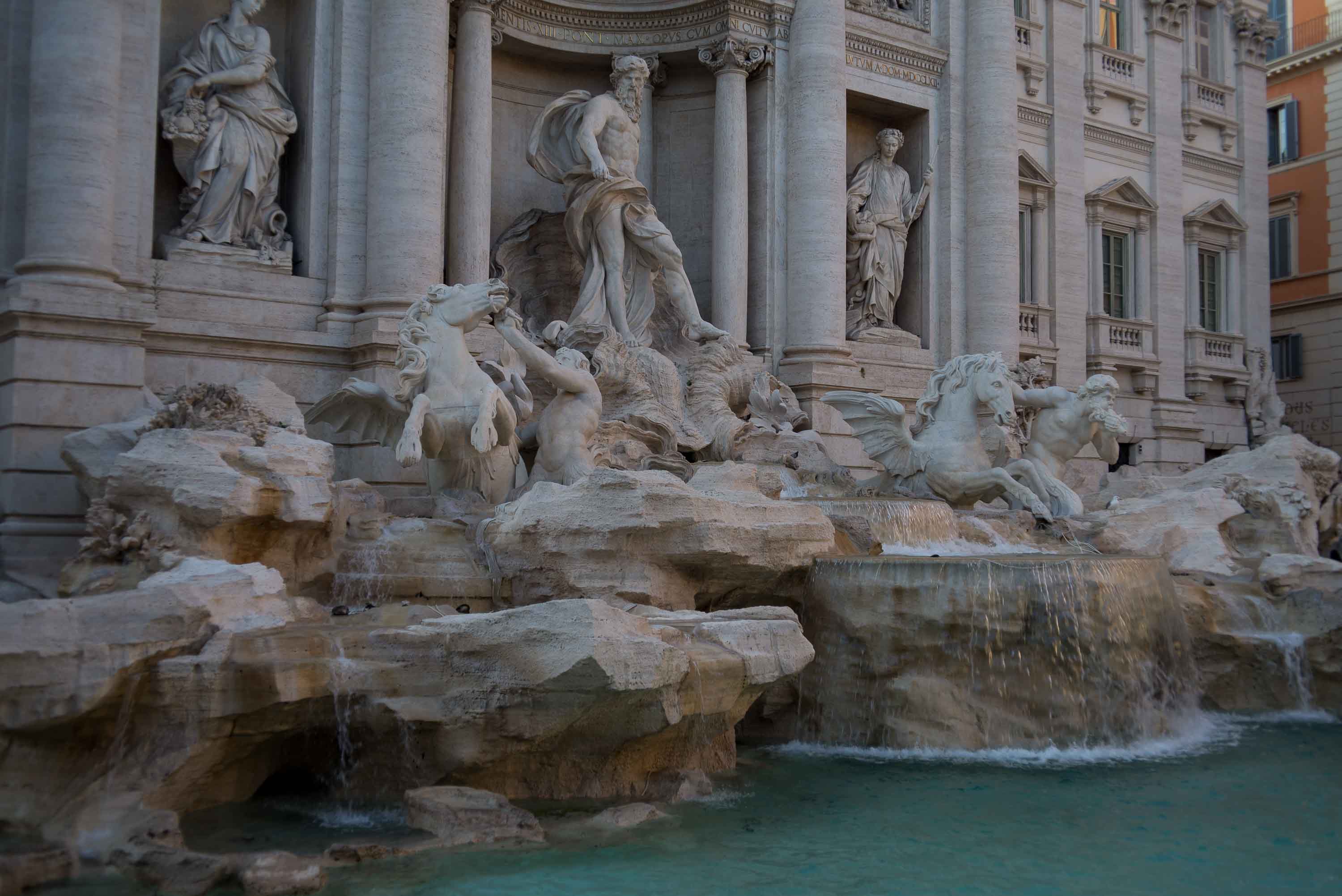
Rome is too small for her greatness, or too great for her smallness.— G.K. Chesterton
And it's tremendously true. This city, over the course of its historical evolution, became the cradle of kings, emperors, tyrants, brilliant artists, philosophers, poets, saints and sinners, and at one point transformed into the navel of the world, chosen as the center of Christendom.
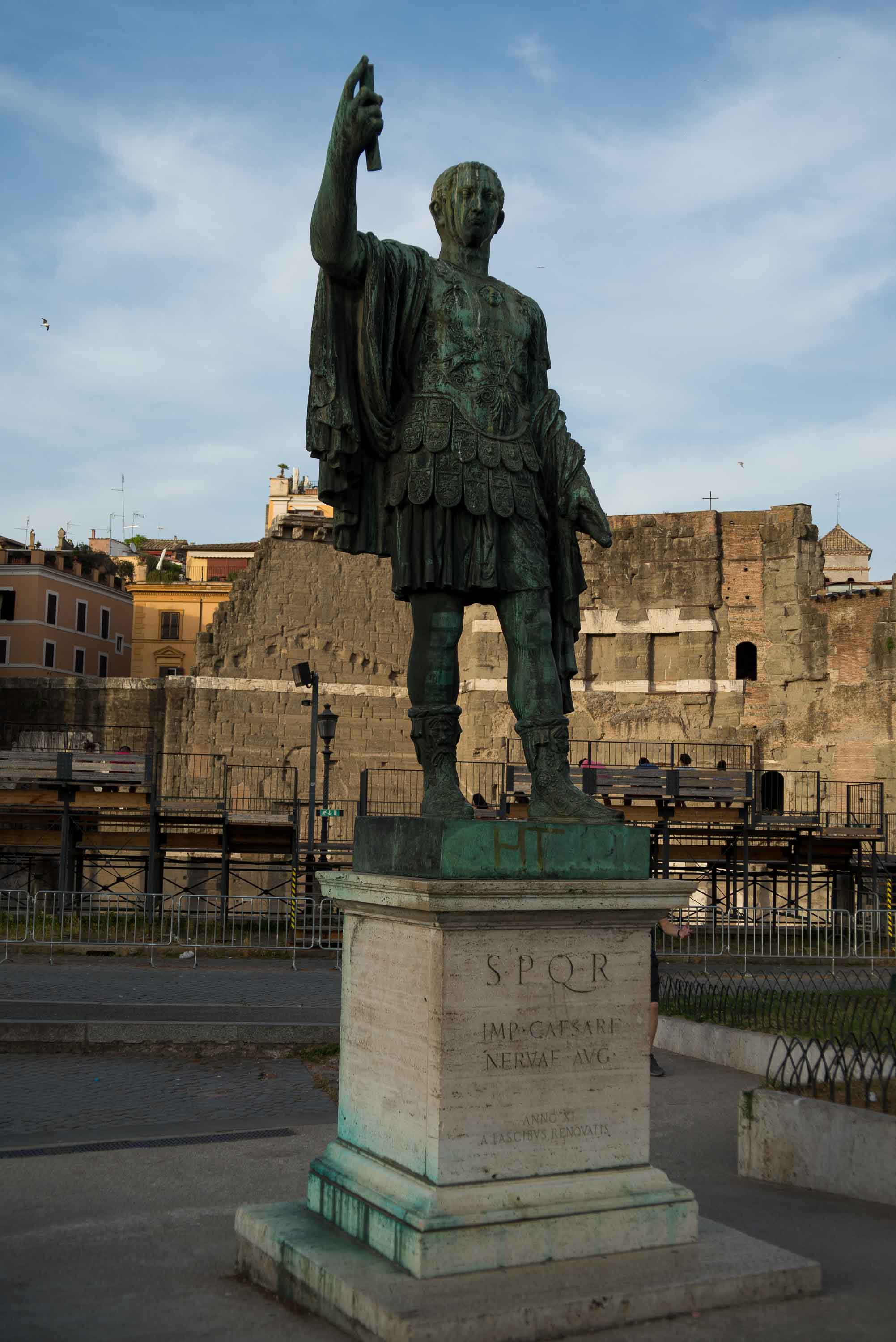
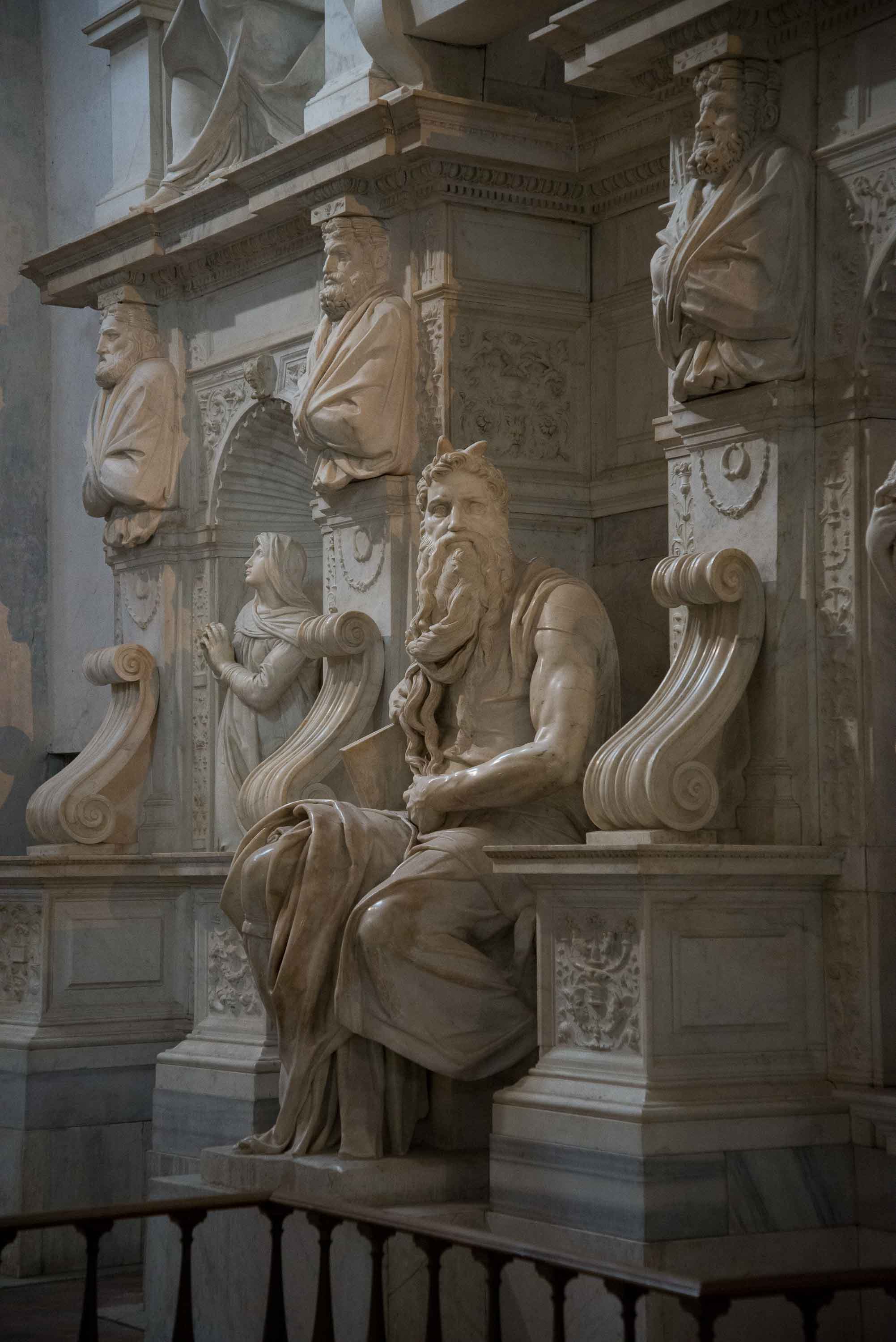
That famous saying that «all roads lead to Rome» marks forever its centrality and its bond with the world. Perhaps that's why, to truly know the Urbs, one must first look at the Orbis.